


Course: Civil and "Uncivil" Societies in Southeast Asia: Resistance, Acquiescence, and Cooptation
Professor: Deasy Simandjuntak
Date of Field Trip: May 21, 2026
Location: Taichung, Taiwan
Participants: 11 students
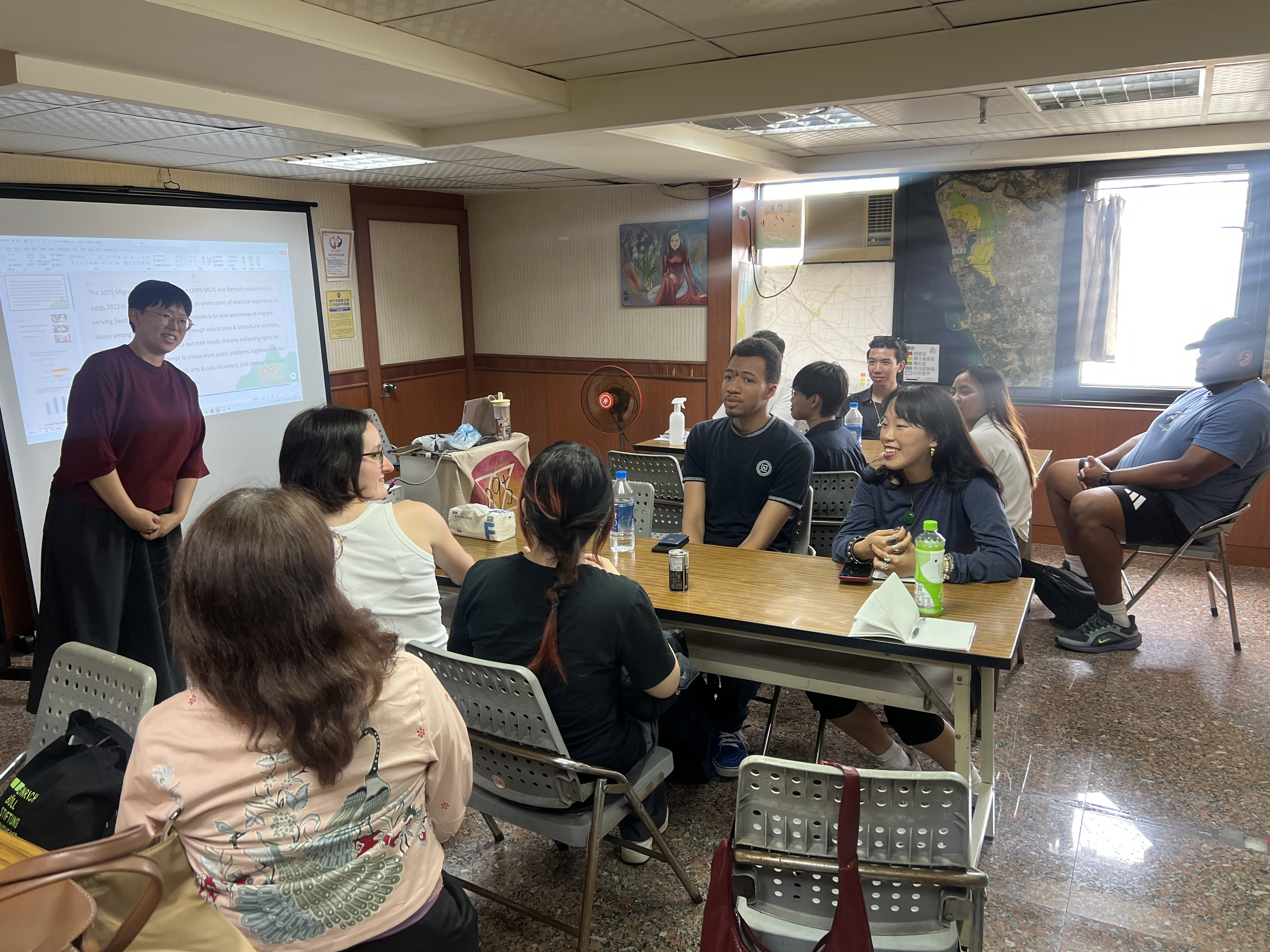
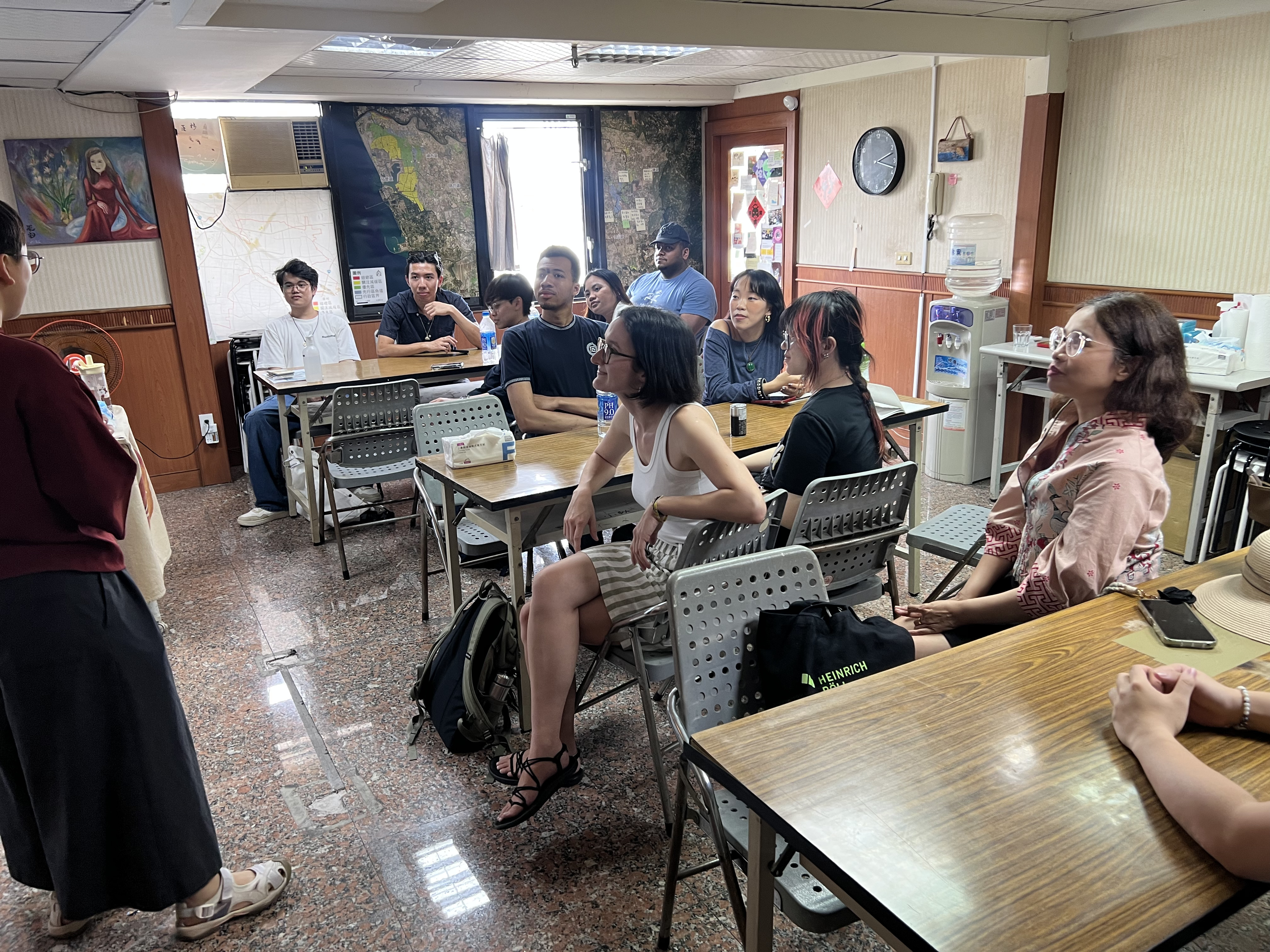
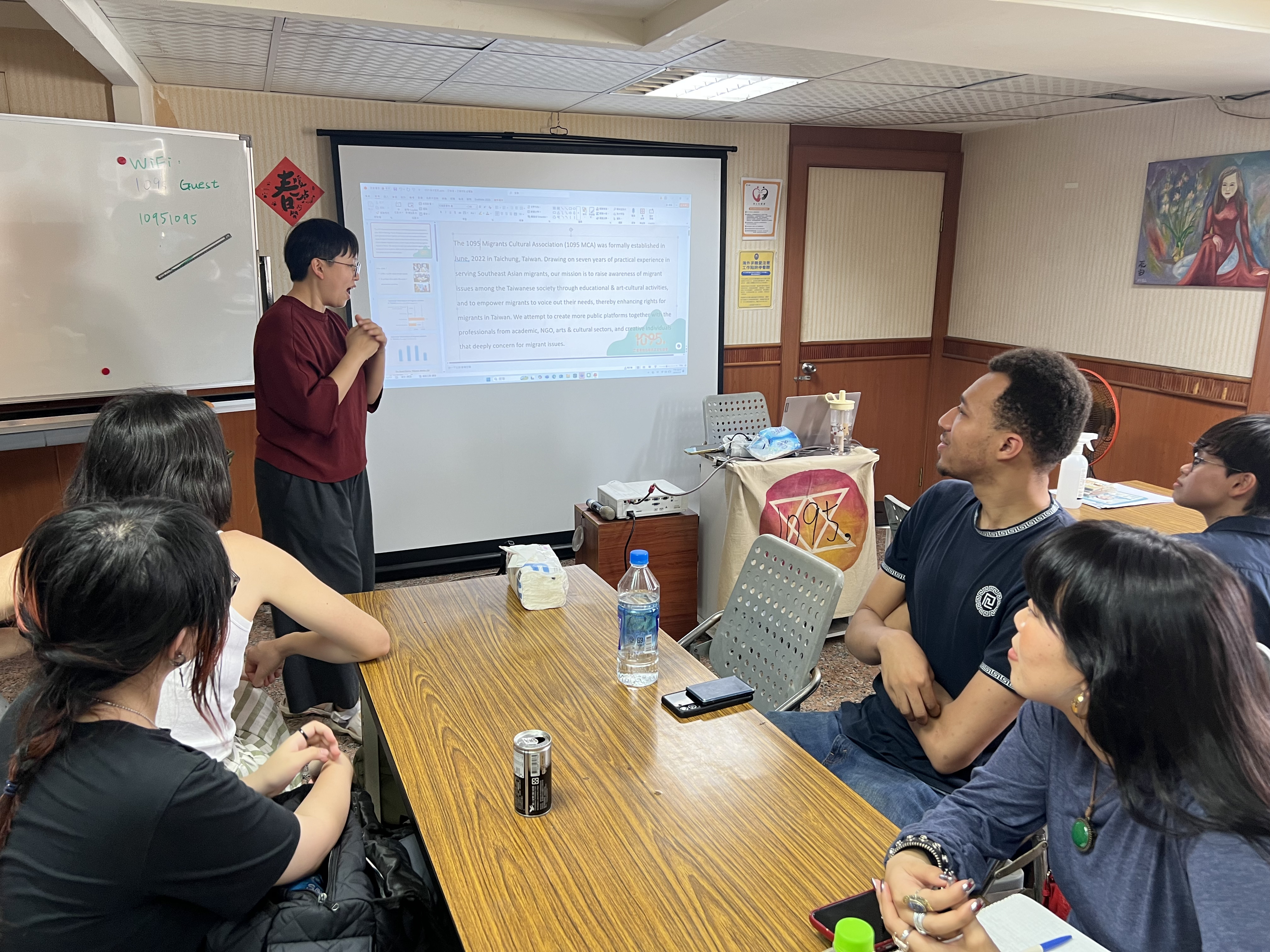
As part of the course “Civil and Uncivil Societies” taught by Professor Deasy Simandjuntak, 12 IMAS students traveled to Taichung on May 21 for a field trip focused on migrant workers and civil society organizations in Taiwan.
The group visited 1095 Cultural Studio (壹零玖伍文史工作室) and met with its founder, Annie Kuan (官安妮), who introduced the organization’s work and spoke about the living and working conditions of migrant workers in Taiwan. Around 700,000 migrant workers currently live and work in Taiwan, mainly in sectors such as nursing and home care, manufacturing, construction, and offshore fisheries. Annie highlighted both their economic importance and the structural challenges many face, including discrimination, exploitation, poor working conditions, loneliness, and limited legal protection.
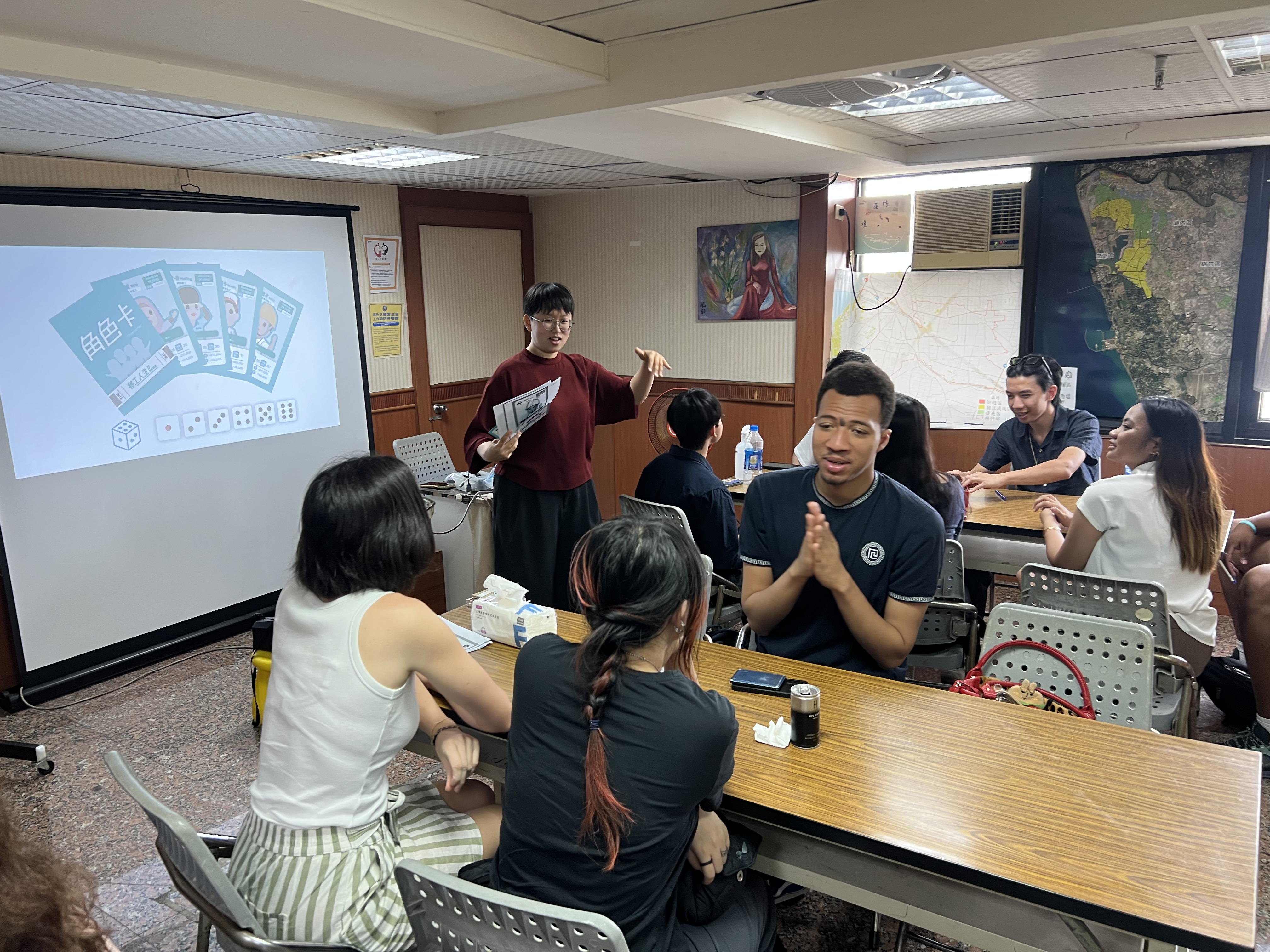
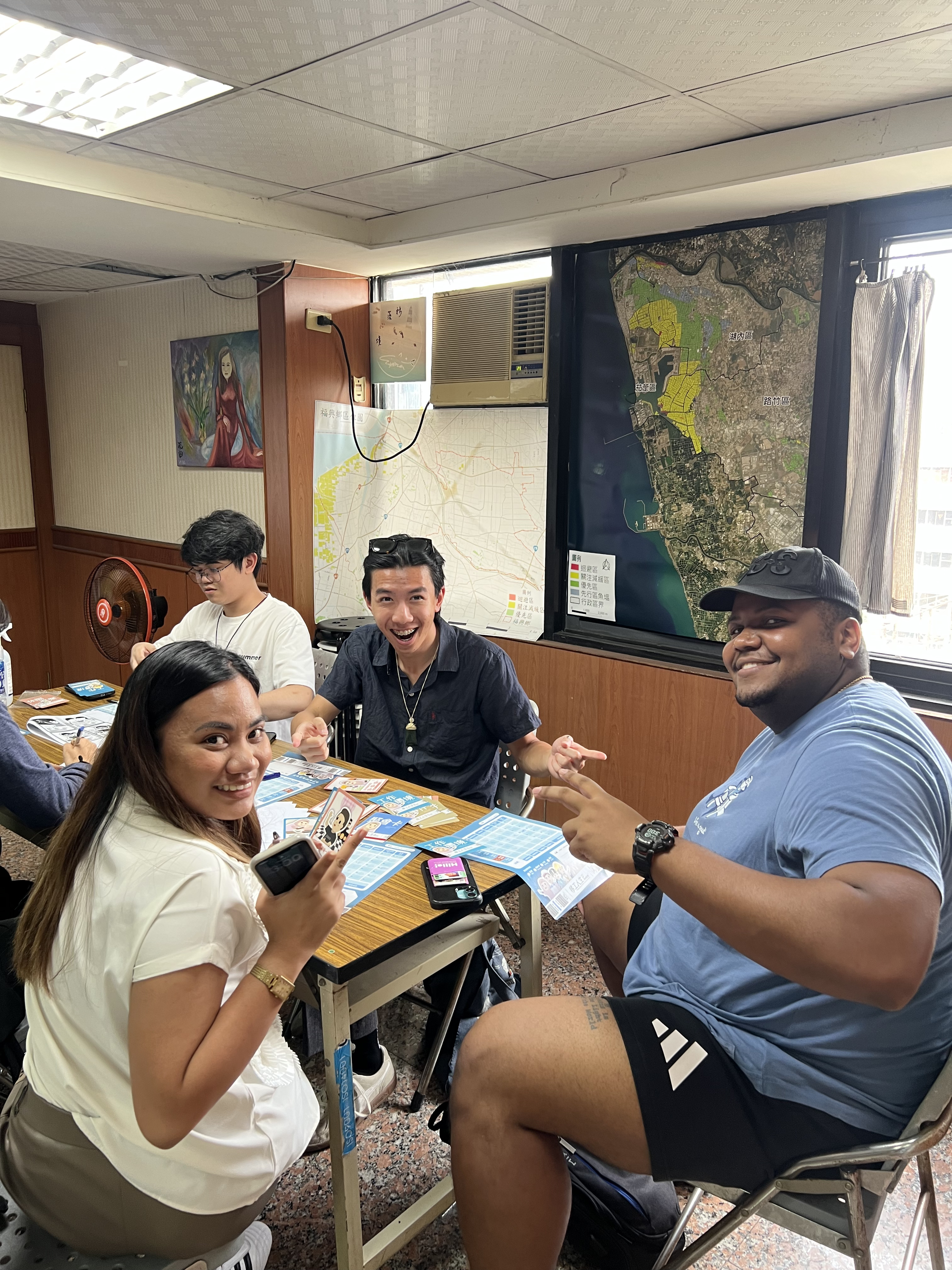
A central part of the visit focused on the role-playing board game “Migrant Workers’ Life” (移工人生), developed by 1095 Cultural Studio. The game simulates the experiences and challenges migrant workers encounter in Taiwan, including financial pressure, legal restrictions, and social isolation. Students participated in the game themselves and explored different life paths of migrant workers from Southeast Asian countries.
After the workshop, Annie guided the group through the ASEAN Square area in Taichung, where many migrant worker communities gather during their free time. The tour included Vietnamese phone shops, supermarkets selling Indonesian products and snacks, cafés offering Vietnamese coffee, and other businesses serving Southeast Asian communities in Taiwan.
One student from Thailand also introduced a specialized ATM system that she developed together with a think tank to simplify money transfers for migrant workers sending income back to families in Indonesia, Vietnam, Thailand, and the Philippines.
The field trip included discussions about individual stories of exploitation, declining health caused by harsh labor conditions, and emotional isolation among migrant workers. The visit highlighted the difficulties migrant workers often face when trying to enforce even their limited rights, while also emphasizing the important role NGOs such as 1095 Cultural Studio play in advocating for marginalized communities in Taiwan.
